Open on the action that changes the scene
A hand reaching for the wrong key can carry more information than a wide shot of the whole corridor. Try beginning at the first action that changes what someone can do.
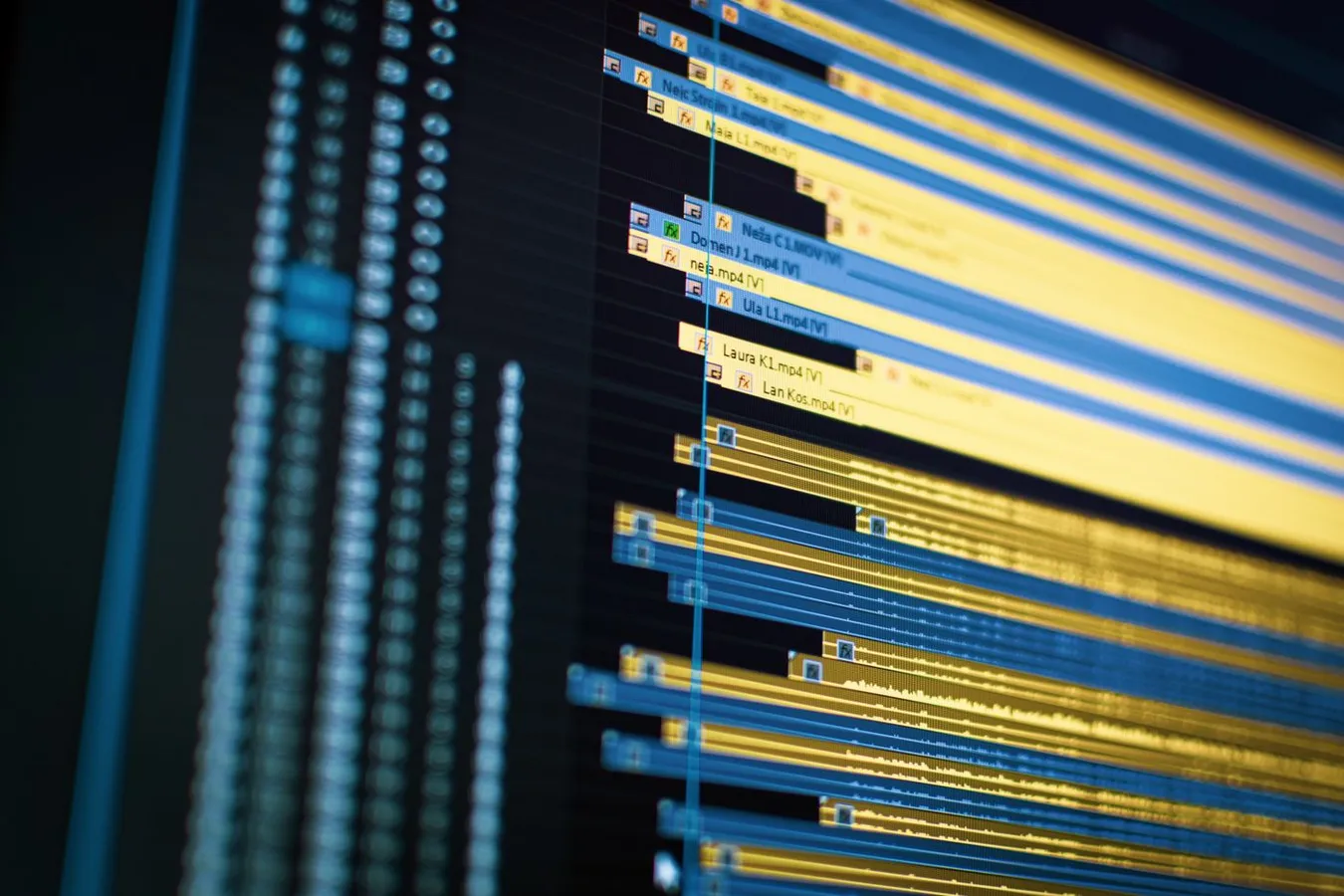
A hand reaching for the wrong key can carry more information than a wide shot of the whole corridor. Try beginning at the first action that changes what someone can do.
When an actor sets down a bag or passes an object across a table, a few frames can decide whether the action belongs to the person, the object or the space it enters.
A listening shot may fit at several points in a conversation. Check which words and decisions the face appears to answer in each position.
When a dialogue take leaves a hole after trimming, build a quiet gap that sounds as though the characters are still sharing the same room.
A live reaction and a considered note answer different questions. Collect both before asking a viewer to prescribe an edit.
A prop can enter the frame as a shape, a clue or a complete answer. Separate the moment somebody touches it from the moment the viewer needs to recognize it.
A scene can begin close to a person and reveal the whole space later. Look for the first decision that makes the geography useful.
An early sound can prepare a picture cut, carrying a character's attention or giving the audience a moment to recognize a new place.
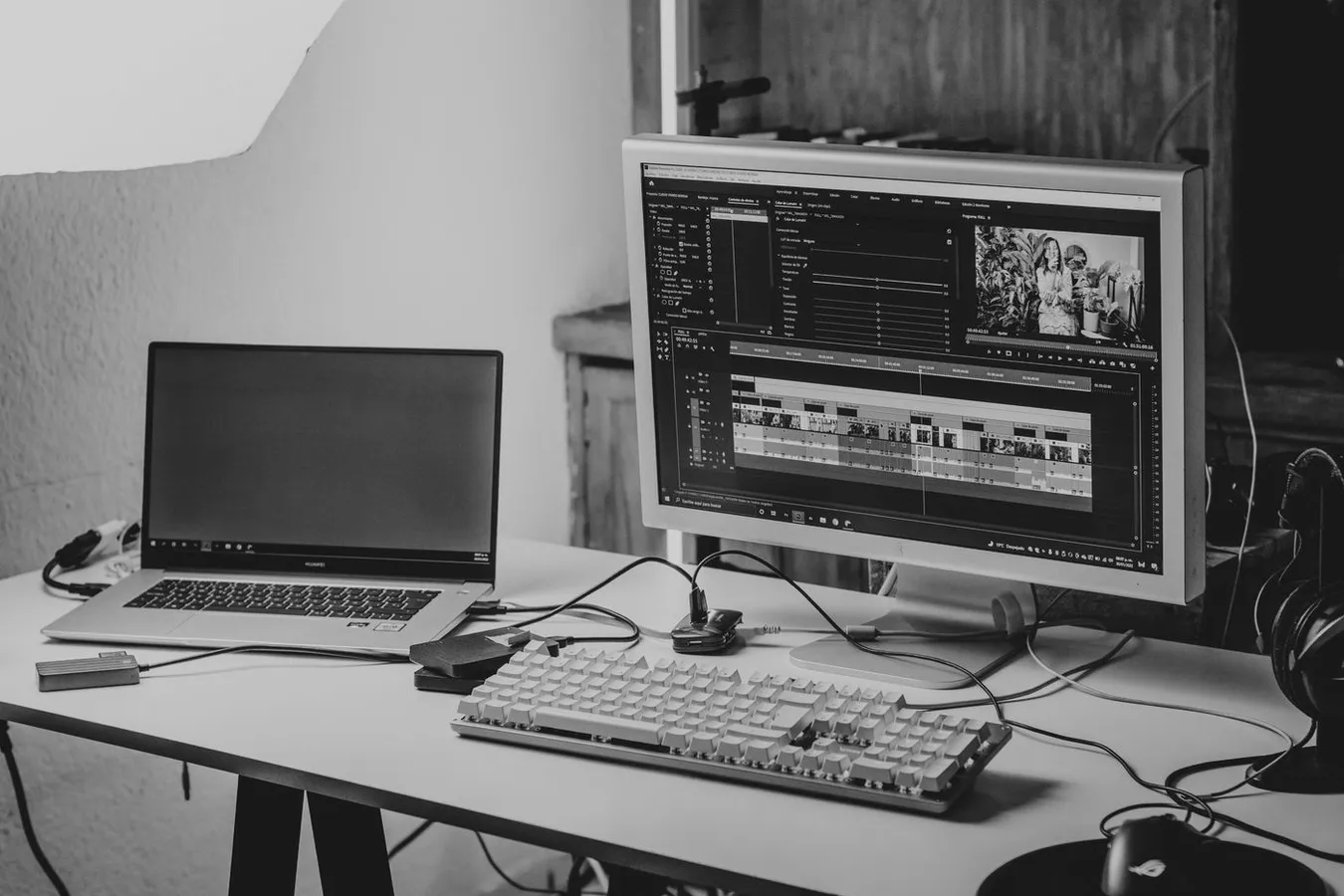
A neutral first screening can show what the story explains on its own. Give viewers an easy way to report the moment they made a connection.
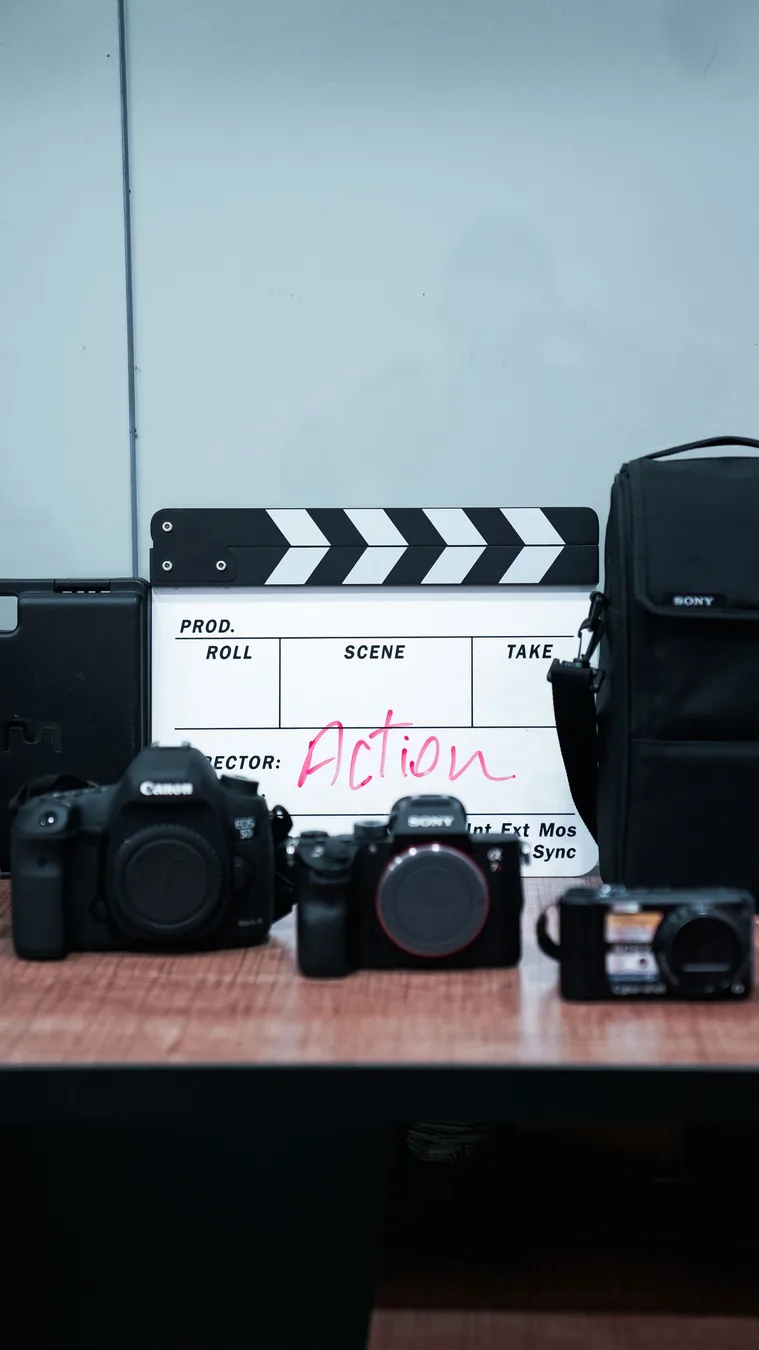
Perspective can follow a person, a moving camera or the full space around a scene. Test the change by listening for the source that moves first.
Watch a delivered file from the same kind of player a viewer will use. Keep the contents, naming and playback observations attached to that exact version.