Ask for feedback at two different times
A live reaction and a considered note answer different questions. Collect both before asking a viewer to prescribe an edit.
9 stories
A neutral first screening can show what the story explains on its own. Give viewers an easy way to report the moment they made a connection.
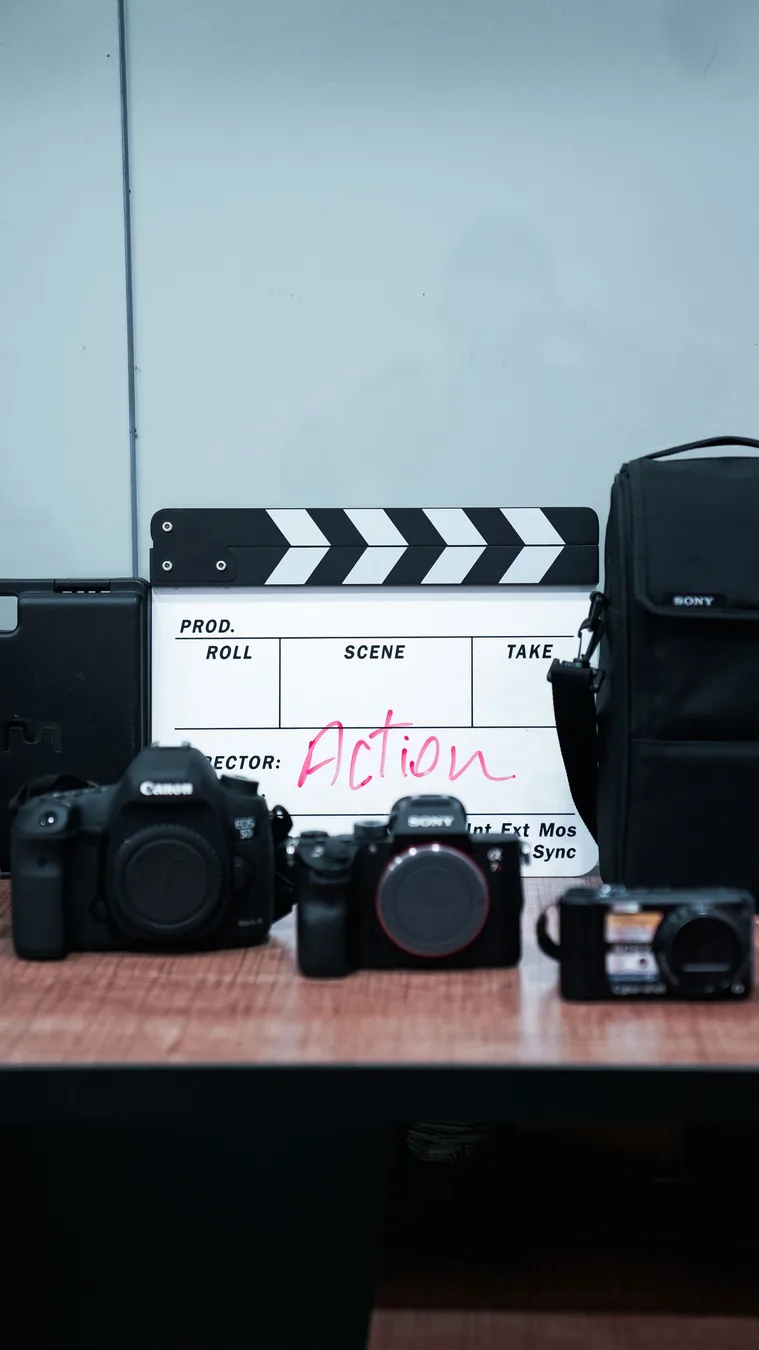
A live reaction and a considered note answer different questions. Collect both before asking a viewer to prescribe an edit.
Watch a delivered file from the same kind of player a viewer will use. Keep the contents, naming and playback observations attached to that exact version.
Read the exported captions as a viewer will read them. A change of speaker, image or position can make an otherwise correct line harder to follow.
A comment about pace or clarity becomes easier to handle once you can locate the action that prompted it and the expectation a viewer formed.
Put alternative scenes side by side and name the decision that changed. Reviewers can tell you what the cut gives them before choosing which version they prefer.
Place a reviewer where the film will be watched instead of where it was made. Distance and ordinary playback controls can reveal problems that close timeline viewing hides.
A better-looking picture still has to connect to the action on either side. Review it as a three-shot sequence and confirm the exact approved version.
A short delivery record can distinguish the version somebody approved from files made for discussion, subtitles or venue testing.